- 2030 Project
- Posts
- Our Four Big Questions for the 2026 Legislative Session
Our Four Big Questions for the 2026 Legislative Session

Editor’s Note:
Why This Session Matters More Than Most
The 2026 Georgia legislative session begins under unusually high stakes. It unfolds in the shadow of a second Trump term, amid growing national resistance, and against the backdrop of increasingly severe consequences of federal policy—including the recent murder of a woman in Minnesota during an ICE operation, a tragedy that has sharpened public scrutiny of immigration enforcement and government accountability. Just months before elections that could reshape power in both Washington and Atlanta, lawmakers are legislating with November clearly in mind. Unlike a typical even-year session, this one will test whether leaders choose to govern for affordability, safety, and stability—or double down on ideological fights and political positioning. With Democratic momentum building after 2025’s elections and Republican control growing more defensive, this session may offer the clearest preview yet of how each party plans to face a volatile and potentially wave-driven 2026 electorate.
1. Will Republicans Do Anything to Address the Affordability Crisis?
Affordability remains the defining issue for most Georgians—from housing and utilities to healthcare and education costs. Republicans enter the 2026 session facing rising voter frustration, yet with a mixed record of proposing solutions that materially lower household expenses.
Republicans, through consistent policy choices, have continued to cut or restrict access to social support programs such as SNAP and Medicaid, raising questions about whether lowering costs for working families is truly a priority. The central question is whether GOP leadership will pursue substantive relief through consumer protections or tax policies aimed at working people—or continue prioritizing the interests of wealthy donors and corporate allies.
What passes (or doesn’t) this session will reveal how seriously Republicans take the economic pressures shaping today’s electorate.
At the same time, Democrats—Georgia Democrats in particular—have a real opportunity to stand out. As seen in the recent campaign of New York’s Zohran Mamdani, voters respond to affordability-focused messaging delivered with sincerity. Mamdani’s campaign emphasized listening: rising housing, childcare, and grocery costs, concerns about ICE raids, aging school buses, and access to fresh food. The difference was tangible—not just what he said, but how he engaged.
Georgians raise many of these same concerns, including in caucus meetings and community forums. Too often, however, those concerns are acknowledged without being fully translated into sustained platforms and legislative priorities.
This is not just about social media presence.
It is about having a message worth listening to—and standing by it.
For too long, Democrats have tried to navigate respectability politics in ways that leave their own voters uncertain about where they stand. What felt different about Mamdani—even to those watching from the South—was that he wasn’t trying to appear relatable; he was relatable.
The question now is whether Georgia Democrats will take that lesson seriously: articulate a clear affordability message, commit to it, and show voters—through action—that they mean what they say.
2. New Wave, Last Stand: Will Georgia Democrats’ Momentum Overcome Kemp’s Final Push?
Eight days into the new year, Democrats have a huge opportunity to continue momentum in 2026. Georgia’s legislative session begins Monday, January 12, 2026, and ends on Monday, April 6, 2026. Prior to the new year, Democrats experienced several victories during statewide elections, such as the Public Service Commission election, flipped a State House seat, and consistently overperformed in special elections. However, Democrats shouldn’t be overconfident heading into this legislative session, given that Republicans control both chambers.
Governor Brian Kemp is serving his last term as Georgia’s governor and is attempting to resolve his “unfinished business.” One of his biggest areas of concern is eliminating the state income tax by 2032. Kemp, along with his GOP colleagues, argues that cutting this tax allows Georgia residents to keep their earnings and is better for residents. Democratic lawmakers argue that it benefits the wealthiest families the most and underfunds public facilities and services.
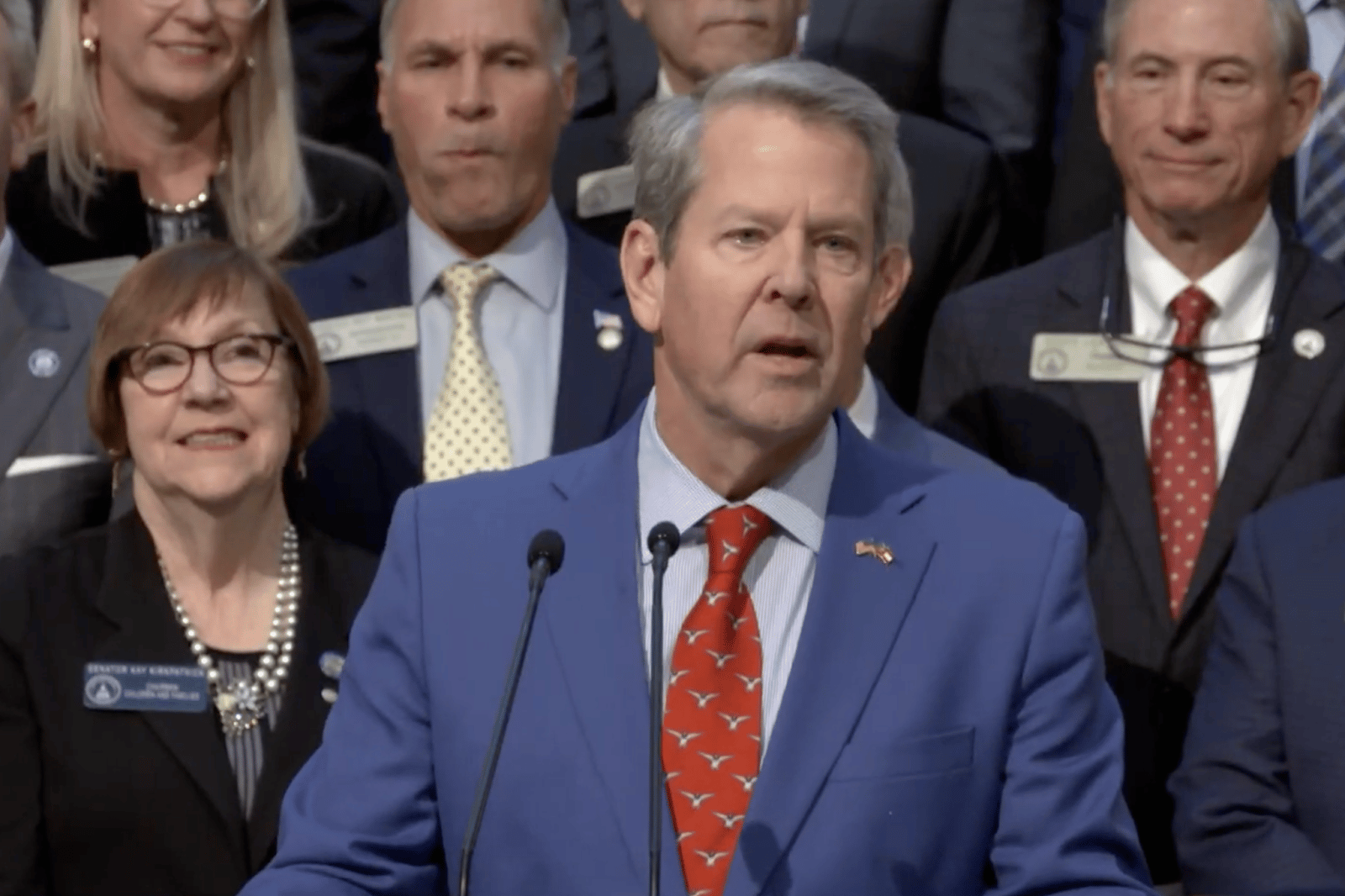
Moreover, Governor Kemp places a great deal of importance on the educational landscape of Georgia. With the staggering increases in school shootings, Governor Kemp signed a bill last year attempting to improve the safety of our schools and children. However, at the same time, he signed bills that prohibited transgender students from competing on teams that conflict with their biologically assigned gender at birth. It’ll be interesting to see which Governor Kemp we get in 2026.
For Democrats to come out of this legislative session successful, they can focus on continuing to collaborate and work across the aisle to serve the entirety of Georgia residents. While it is important to identify and rectify the wrongs of their colleagues, it would best serve them to focus on what they can do together. In today’s political landscape, division is rampant in the country. The real test this session is whether Democrats, acting with unity and discipline, can find a bipartisan path forward with Republicans to focus on affordability and accountability. With limited numbers but increasing public trust, Democrats have an opportunity to use this session to sharpen their message, draw clear contrasts, and position themselves as the party prepared to govern if 2026 breaks their way.
3. Will Republicans Double Down on Culture Wars — or Face Voter Backlash?
With the 2026 midterms steadily approaching—and an early warning already issued by President Trump—Republicans may find themselves between a rock and a hard place come November. As tensions between Republican leadership and their own constituents continue to grow, voters are increasingly more concerned with economic livelihood rather than cultural flashpoint issues.
This dynamic has already played out across several red states, and although Georgia remains a swing state, its Republican-led government is not immune. During the 2025 legislative session, Republicans passed SB 1, also known as the Riley Gaines Act, which prohibits transgender youth from participating in sports consistent with their gender identity. While the bill energized conservative activists, it did little to address the rising costs of housing, healthcare, utilities, or groceries that many Georgians are struggling with.
As affordability pressures mount—particularly under the economic fallout of Trump-era policies like the so-called “Big, Beautiful Bill”—Republicans’ fixation on culture wars risks appearing increasingly disconnected from voters’ real priorities. At the same time, the Trump administration’s ongoing attacks on low-income communities may further alienate voters who feel their representatives are fighting symbolic battles instead of delivering tangible relief.
With high-profile races looming in 2026—including the Governor’s Office, U.S Senate, and even deeply conservative congressional seats—the coming legislative session may serve as an early test. Will Republicans continue to double down on divisive cultural legislation, or will growing voter frustration force a political reckoning—even among traditionally Republican constituencies?
5. Will Republicans Play Defense — and Can Democrats Force the Map to Expand?
As more State House districts move into competitive territory, the 2026 legislative session is shaping up to be a test of political strategy. Republicans appear inclined toward a defensive approach, prioritizing caution and stability to protect incumbents.
Democrats, on the other hand, see an opportunity to carry the momentum from 2025 into 2026. This means pressing forward on issues such as affordability, where Republicans are on their back feet. By speaking to issues most important to voters, Democrats can expand the map, flip seats, and re-elect Senator Ossoff.
The first weeks of this legislative session will be revealing.
Are Democrats introducing bills that address affordability, which will force Republicans to either act or ignore, knowing they face voters in November?
Meanwhile, are Republicans more divided than they normally are? Are caucus meetings longer and more frequent? Is leadership doing more whip counts than usual? With moderate Republicans being more sensitive to the November elections, how will that tension play out with more extreme members of their caucus?
With limited formal power but expanding electoral opportunity, the goal for Democrats is not just to win existing battlegrounds, but to create new ones. That means forcing votes on affordability, healthcare, ethics, and corporate power—even when those bills won’t pass. Each forced vote clarifies contrast, stresses Republican unity, and puts additional districts into play. Whether Democrats use this session to quietly consolidate gains or aggressively expand the map will signal how seriously they are preparing for a potentially wave-driven November.
The money tells a story as well. Campaign fundraising in battleground districts, super PAC activity, and party committee transfers will show where Republicans think they are vulnerable. It will also show Democrats where opportunities are.

Democrat Eric Gisler flipped a Trump +11 seat in a major 2025 upset.
2026 is Our Opportunity for Change
What passes, what fails, and what fights are avoided will all matter. This session won’t just shape policy—it will shape the battlefield. For voters, organizers, and candidates alike, the 2026 Legislature is less about routine governance and more about revealing who is ready to lead, who is protecting power, and who understands the moment Georgia is entering.


Until next time,

Fund year-round organizing. Flip the GA State Legislature.